
How ATMs Drive Impulse Buying in Georgia Small Businesses
- December 24, 2025
- admin
- 2:40 pm
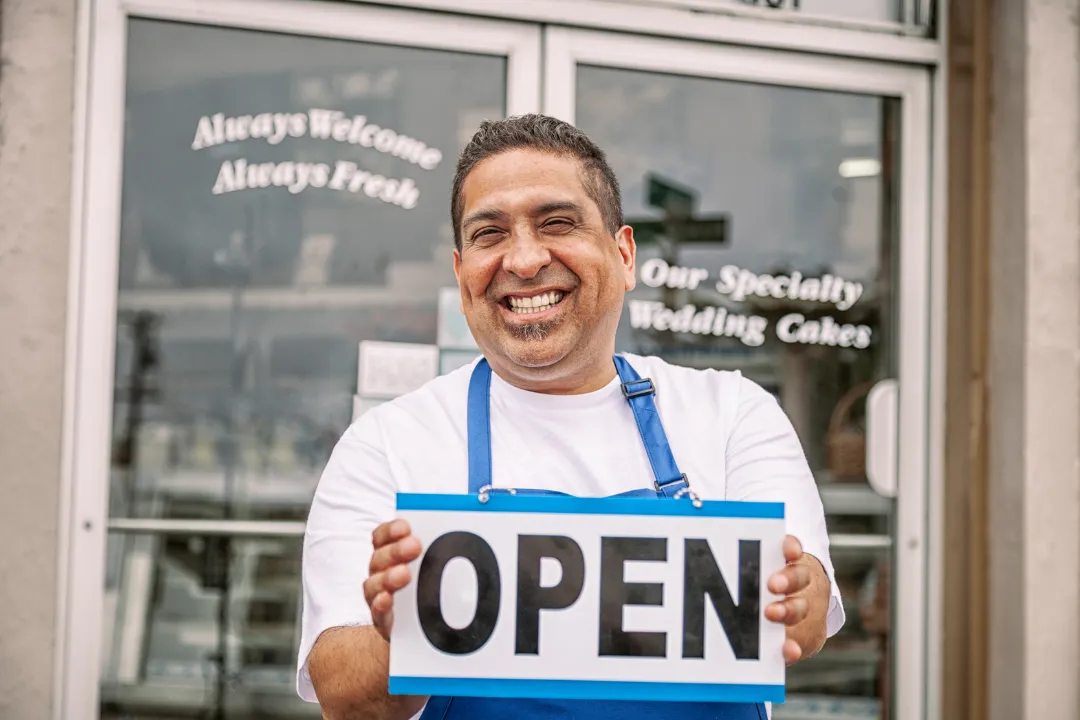
Impulse buying usually happens in the last few minutes of a visit—at the counter, near the exit, or when a customer sees a small upgrade that “feels worth it.” In Georgia, those moments are amplified by high movement: metro Atlanta’s 11-county region was estimated at 5.2 million people (April 2024), and statewide travel demand is massive—Georgia reported 174.2 million visitors and $45.2B in visitor spending for 2024. When customers can grab cash on-site, they’re more likely to make quick add-on purchases (snacks, drinks, tips, cover charges, souvenirs) instead of leaving to find a bank ATM and potentially abandoning the purchase. The key is pairing the ATM with the right setup (buy/lease/event rental/qualification-based placement) and the core service stack that protects uptime and customer trust: repairs/service, processing, monitoring, and clear support.
1) The “Cash-in-Hand” Effect: Why Customers Say Yes More Often
When customers have cash in hand, the purchase decision feels simpler: no app logins, no card minimum worries, no “do I really want to tap for $6?” hesitation. That’s exactly why an on-site ATM can increase impulse buying—cash turns small choices into quick decisions. In Georgia’s everyday retail environments (convenience stores, gas stations, small restaurants, bars, salons, independent shops), impulse items are often low-ticket and immediate: a second drink, a snack, a tip, a small bundle add-on, or a last-minute upsell at checkout. If the only way to get cash is leaving your location, the impulse moment dies on the sidewalk. But if cash is available inside your business—visible, easy to use, and reliable—customers can act immediately while they’re still in buying mode. For small businesses, this isn’t about changing your product lineup; it’s about removing friction that interrupts “I’m already here, I’ll just get it” behavior. The biggest wins usually show up when the ATM is positioned as part of the natural flow (near the entrance or near checkout) and when the machine is consistently online and stocked during peak hours.
2) Georgia’s Impulse Triggers: Tourism, Events, and High-Traffic Corridors
Georgia has a built-in advantage for impulse-driven spending because so many customers are transient: visitors, event-goers, weekend travelers, and commuters moving through dense corridors. In 2024, Georgia recorded 174.2 million visitors with $45.2B in visitor spending—people who are more likely to buy spontaneously because they’re in “experience mode” (food stops, souvenirs, attraction spending, nightlife, quick purchases between activities). That dynamic is strongest in hospitality-heavy areas (hotels, bars, restaurants), tourism markets (Savannah/coastal and major attraction routes), and event-driven districts where customers pay tips, entry fees, vendor purchases, or last-minute convenience items. Metro Atlanta adds daily volume too: the Atlanta region hit 5.2 million residents (April 2024 estimate), which supports constant movement through convenience retail, neighborhood strips, and commuter pathways. If your business lives inside these flows—near entertainment zones, dense shopping clusters, or travel corridors—an ATM can convert “passing demand” into “captured spending” by making cash access immediate. The practical takeaway: the more your customer base includes visitors and short-stay traffic, the more valuable on-site cash access becomes, because those customers won’t “come back later” after leaving to find an ATM.
3) Placement That Sells: Where an ATM Should Sit to Boost Add-Ons
Impulse buying is a placement game—both for your products and for your ATM. If the machine is hidden, customers won’t use it; if it’s in an awkward spot, they won’t trust it; if it’s hard to reach, it won’t become part of the visit. The best-performing Georgia placements usually follow a simple rule: put the ATM where it naturally supports the buying path. For many businesses, that means near the entrance (first thing customers see when they realize they need cash) or near the checkout route (right when they’re deciding on add-ons). Lighting matters, signage matters, and “normalcy” matters: customers are more likely to use an ATM that feels safe and routine, especially tourists and first-time visitors. That’s why placement is not just a technical decision—it’s a conversion decision. In practical terms: avoid back corners, avoid blocked sightlines, avoid isolating the machine near side doors. Instead, treat it like a service feature that should be discoverable within seconds. When the ATM is placed correctly, it supports impulse behavior by shortening the time between “I want it” and “I paid for it,” which is the exact window where customers either buy or walk away.
4) Trust + Pricing = Repeat Usage (and Repeat Impulse Purchases)
Impulse buying can spike once, but repeat revenue comes from repeat ATM usage—and repeat usage is built on trust. Customers come back to the ATM that works, processes smoothly, and feels fair. Georgia is known for its payments ecosystem—Georgia’s “Transaction Alley” is described as handling 70% of all U.S. transactions, and the state’s fintech cluster includes 200+ companies in the space. In a market with that level of transaction sophistication, customers expect clean processing, fewer errors, and fast resolution when something goes wrong. That means your ATM setup must prioritize reliability: stable processing support, monitoring, and a service plan that keeps downtime short. Pricing also matters: if fees feel unreasonable or unclear, customers avoid the machine, and your impulse lift disappears. The best strategy is transparent signage, a customer-friendly setup, and a support process that actually responds when the machine needs attention. If you promote “free placement,” keep it qualification-based and clear—traffic and location requirements typically determine eligibility, and clarity protects trust.

5) A Georgia-Ready Action Plan: Turn an ATM Into a Sales Tool (Not Just a Machine)
If you want the ATM to actively increase impulse buying, build the plan around performance—not just installation. Step one is choosing the right model for your business reality: buy if you want long-term control and predictable demand, lease if you want lower upfront commitment, event ATM rental if your demand is seasonal or tied to specific weekends, and qualification-based placement if your site meets traffic and operational requirements. Step two is locking in the core service stack that protects impulse revenue: repairs/service, ATM processing, and reliable support workflows (so issues don’t linger for days). Step three is measuring the uplift: track a baseline week (average ticket size, add-on item sales, tip volume if relevant), then compare after installation—especially on weekends and event-heavy days when Georgia traffic surges. Georgia’s commercial movement is constant—ports and logistics activity reinforce that the state’s corridors stay active, including strong performance reported by the Georgia Ports Authority for the Port of Savannah. Finally, make your WordPress blog post work harder: add internal links to your Georgia service pages (Buy ATM, Lease an ATM, Event ATM Rental, Free/Qualifying Placement, ATM Repairs/Service, ATM Processing, Credit Card Processing) so readers can move from “learning” to “requesting a quote” without friction.